What is tuckpointing?
Tuckpointing is when you repair existing masonry brick walls by removing the crumbling mortar and replace it with new mortar. It helps with the aesthetic of the brickwork, while adding compressive strength to the mortar joints. The new mortar has bonding properties that that bond to the bricks and can withstand heavy loads.
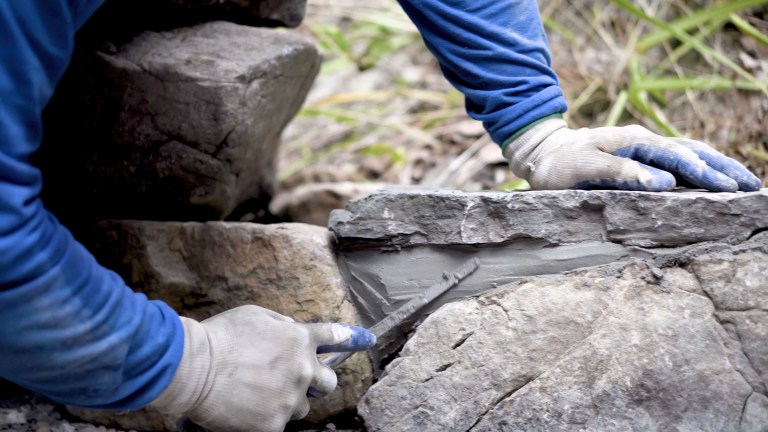
Why choosing the right types of masonry mortar mix matters
The mortar type you use for the tuckpointing matters a whole lot. Each one has different types of properties that have its own benefits. For example, if you are tuckpointing a foundation wall, you want a mortar type that has enough minimum compressive strength to restore its structural integrity. If you are tuckpointing an exterior above grade wall, then you would want to use a more flexible mortar like a type S mortar mix. Each mortar types has its unique benefits.
The bottom line is, the type of mortar mix you use matters and should be chosen carefully depending on the application.
What are the common problems that tuckpointing address?
Crumbling Mortar joints
Over time the existing mortar in between the brickwork starts to crumble and needs to be addressed. The deteriorating mortar is typically caused by age, freeze/thaw cycle, and weather. This can cause gaps in the mortar, cracks and loose bricks over time.
The solution to this problem is to use the right mortar that will restore the load bearing capabilities to the wall being serviced. You must remove the old existing mortar with either a chisel or grinder, then fill the joints with the right mortar in its place.

Water Infiltration
Any loose, cracked or missing joints will allow water to come into your home. whenever severe weather occurs, the compromised mortar joints can cause interior moisture problems, mold growth and structural problems due to the freeze thaw cycle.
To solve this issue, the compromised mortar joints must be tuckpointed with the right mortar mix to make the wall significantly stronger. Doing this will add sealing properties and water resistance since water will not have an opening to sneak into.
Structural Weakness
Weak joints in the mortar can reduce the load bearing capacity of the wall, making it easier for it to shift, bow or collapse.
Replacing the joints with the right mortar type can substantially increase the load bearing capacity and compressive strength.
Types of Masonry Mortar
Portland Cement Mortar Mix
Composition
It is comprised of Portland cement, sand and water
Properties
This mortar mix has a high compressive strength and high durability. It has a quick setting time and is not as flexible as other mortar types.
Applications:
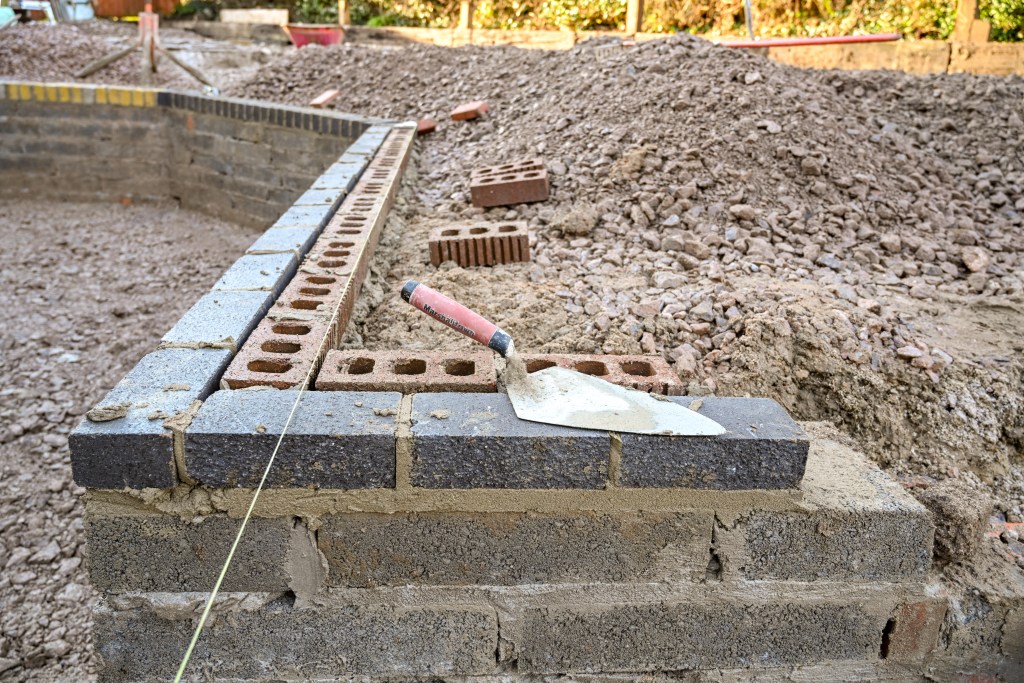
It is best used for new construction, retaining walls and in areas where it is exposed to extreme weather conditions.
Lime Mortar Mix
Composition:
This mortar type is comprised of Lime (hydrated lime or lime putty), sand and water.
Properties:
It has a high flexibility characteristic, and has a slow setting time. It does allow moisture to escape due to its ability to breath.
Applications:
It is best to use on historic buildings such as in St. Louis City, soft brick and any restoration project.
Portland Cement - Lime Mortar Mix
Composition:
This mortar type is comprised of Portland cement, lime, sand and water.
Properties:
It has a good balance between flexibility and strength. It has a better workability than just Portland cement mortar by itself. It also has excellent durability.
Applications:
It is excellent for general purpose masonry projects where you need a balance between strength and flexibility.
Masonry Cement Mortar Mix
Composition
This mortar type is comprised of masonry cement (a Portland cement blend with additives), sand and water.
Properties
This mortar type offers a balance between good strength, workability and consistency.
Applications:
This is good for most general masonry work, whether it is for residential or commercial projects.
Pre-mixed Mortar
Examples:
Quickrete mortar mix and Sakrete mortar mix.
Properties:
If you are looking for a convenient and consistent outcome, then all you have to do is add water. It has already been mixed at the factory. It is convenient for use in small projects and repairs.
What are the key factors in choosing a mortar type?
Choosing the correct mortar type is a very important factor when it comes to the strength and durability. If you are in the construction industry, you need to know each type of mortar mix for each specialty applications.
How to Match the Original Mortar?
Mortar matching:
Matching the original mortar color and texture will help with aesthetic appeal and the overall durability. If you use a different mortar type that has a difference in flexibility and strength, then it could easily crack down the road.
How to match the mortar color?
Especially here in St. Louis, most of the homes have a tan or red color to them. When you are mixing your types of mortar, you can add a pigment color to the mix such as a brown mortar dye. Be careful, because when the mortar is wet, it will look much darker than what it will look like when fully cured.
Is it Compatible With the Brick?
How Masonry mortar types can affect bricks?
Making sure the mortar type is compatible to the bricks is very important so that you don’t damage the bricks and it ensures proper adhesion. When tuckpointing a historic brick home, you will want to use a mortar mix that is flexible and not too rigid.
Selecting a Mortar mix Based on Climate:
Climate can affect the mortar because of the freeze-thaw cycle, so you want to pick one that can withstand the freezing cold.
In cold climates: choose a mortar that has good durability in the freezing and thawing temperatures, like type S or type M.
In wet climates: choose a mortar that has good weather resistance and breathability, like lime mortar.

How to choose between a strong mortar or flexible mortar?
When you need strength, choose a mortar that can withstand the load bearing requirements of the structure you are working on.
When you need more flexibility, choose one that can handle the settling movement without cracking.
Types of masonry mortar and their properties:
Type N mortar: has a medium strength and some felexibility to handle above-grade walls.
Type O mortar: Has low strength and high flexibility which is great for interior non-load bearing walls or historic home restorations.
Type S Mortar: It has high strength and great for load bearing walls and below grade applications.
Type M Mortar: It has very high strength, not much flexibility, and perfect for high-load-bearing walls and structural walls.
Which type of masonry mortar mix to use when tuckpointing
Type N Mortar Mix:
What is type N mortar made of:
1 part Portland cement
1 part lime
6 parts sand
Properties
About 750 psi of compressive strength.
Offers a good balance between strength and flexibility.
Good for general purpose use.
Ideal Use:
Load bearing walls and above-grade exterior walls
Soft stone and natural stone masonry.

Mixing Instructions:
Measure each ingredient accurately.
Combine all of the dry components together before adding the water.
Add water a little bit at a time until you get the right consistency.
Work the materials together until you get a paste like consistency that is easy to work without being too dry or too wet so it can hold its shape.
Type O Mortar Mix:
What is type O mortar made of?
1 part Portland cement
2 parts lime
9 parts sand
Properties:
About 350 psi compressive strength which is a low low strength mortar.
Has a lot of flexibility and workability.
Use on non-load bearing applications.
Ideal Use:
Historic home restoration
Interior walls
Soft stone and soft bricks
Decorative masonry that doesn’t have to bear any seismic loads.
Mixing Instructions:
Combine all the dry components thoroughly.
Add water and mix and blend continuously.
Add enough water until you get a good workable consistency that is not too dry or too wet.
Type S Mortar Mix:
What is type S mortar made of?
two parts Portland cement
1 part lime
9 parts sand
Properties:
About 1800 psi of compressive strength which is a high strength mortar.
Has great water resistance and durability.
It has a good balance of flexibility and strength.
Ideal Use:
Masonry foundations, retaining walls and beloew-grade applications.
High wind areas.
Severe weather conditions.
Mixing Instructions:
Combine all of the dry ingredients after accurately measured.
Add water and mix continuously until you get a nice thick consistency.
Make sure it is not too wet or too dry and is fully mixed without any clumps.
Type M mortar mix:
What is type m mortar made of?
3 parts Portland cement
1 part lime
12 parts sand
Properties:
About 2500 psi (pounds per square inch) of compressive strength.
Not as flexible compared to the other types.
Use when you need high load-bearing capabilities.
Ideal Use:
Structural wall
High load-bearing structure
Foundation wall and retaining wall
Mixing Instructions:
Combine all of the dry ingredients after you measure them out properly.
Slowly add water while mixing continuously until you get a stiff, workable consistency.
Make sure the mix has a good consistency, without lumps.
Which masonry mortar type is suitable for retaining walls?
There are two types that we listed above that are suitable for this application.
Type S mortar: Suitable because of its high compression strength, especially in bad weather areas.
Type M mortar: Suitable because it also has a high compression strength to handle all of the loads and stress.
Type N mortar mix is NOT suitable because it doesn’t have enough compressive strength to handle the load that would be put on it.
In conclusion:
Whenever you are completing a masonry project, it is important to ask yourself which mortar type is best suited for each job, depending on what application you are needing it to accomplish. Picking the wrong one is unprofessional and will not last as long as it should. Use this as a guide to know what type to use depending on the project you are working on.