Your home’s brickwork is strong, but its mortar? Not so invincible. If you’ve ever wondered, “How long does tuckpointing last?”—you’re in the right place. Here at Uplift Home Enhancements, we’ve got the answers. This guide will dive deep into what affects tuckpointing lifespan, when to tuckpoint, and whether you should DIY or hire a pro. Let’s jump in!
How Long Does Tuckpointing Last?
On average, tuckpointing lasts about 25 to 30 years. That’s solid—but how you maintain it makes a world of difference. Original mortar from older homes can last 50 years or more, especially if well-maintained with sealers and spot repairs. But neglect it? Moisture, temperature swings, and structural stress can cut that lifespan in half. In a recent St. Louis home project, I helped prolong the life of their homes brickwork significantly. Bottom line: How long does tuckpointing last depends on several key factors, which we’ll cover below.
Why is tuckpointing important?
Tuckpointing isn’t just about aesthetics (though fresh mortar does look fantastic!). It’s about protecting your home’s structural integrity. Damaged mortar lets water seep in, leading to costly repairs. Over time, neglected mortar joints can lead to serious issues. Moisture intrusion is a leading cause of structural problems in buildings, with building envelope failures caused by moisture accounting for about half of all cases. Plus, properly tuckpointed bricks can boost your home’s value and energy efficiency. At Uplift Home Enhancements, we ensure our St. Louis tuckpointing service is top quality. Who doesn’t want that?
When should you tuckpoint?
Timing is everything. Ignore early signs, and you might face more than just cosmetic issues. Let’s explore the tell-tale indicators:
Visible cracks in the mortar joints:
Small cracks might seem harmless. But they’re like open doors for water. Once moisture sneaks in, those cracks widen—and repairs get pricier. Spot cracks early? Tuckpointing now saves you headaches later!

Missing or crumbling mortar:
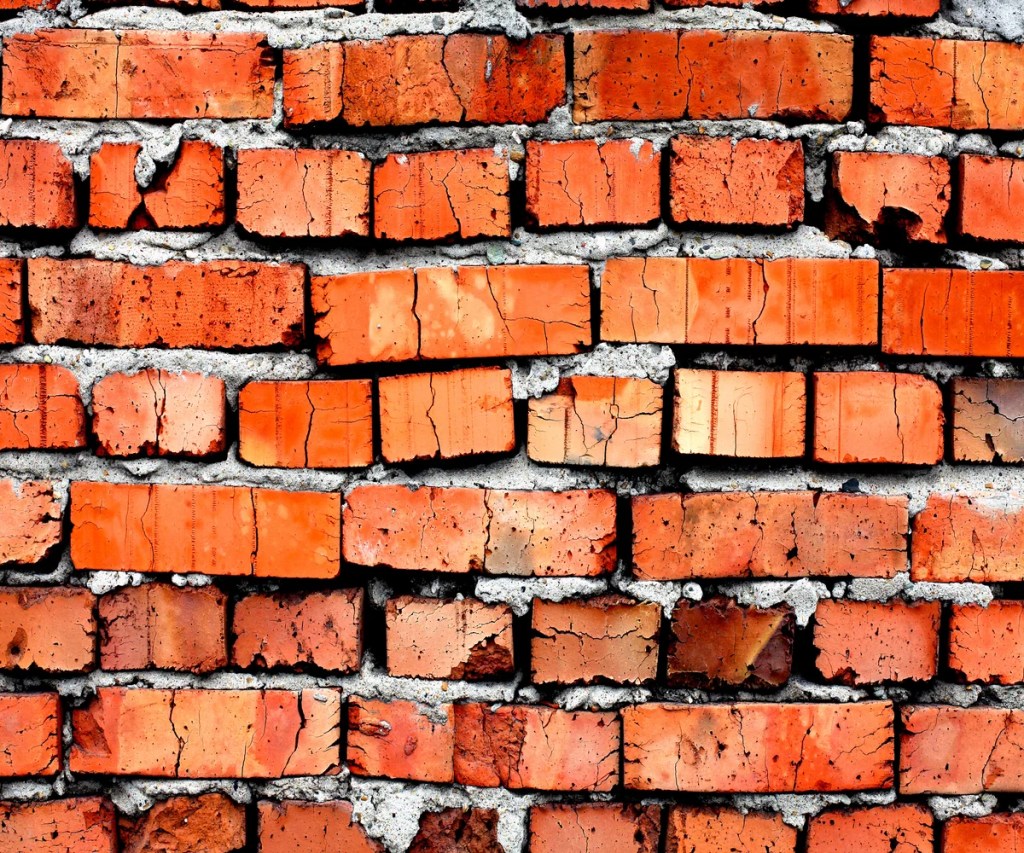
If you notice mortar turning to dust or falling out, it’s time. Mortar holds bricks together—without it, bricks loosen and walls weaken.
Loose or bulging bricks:
See bricks shifting or bulging out? That’s a big red flag! Structural stress is pushing those bricks out of place. Immediate tuckpointing is essential to prevent further damage. In our experience, bulging bricks typically means that section needs a rebuild.
Water penetration through the wall:
Got damp spots inside your home? Or worse, visible water trickling in? Compromised mortar could be the culprit. Address it ASAP to avoid mold and structural decay.
Discoloration of the mortar:
Mortar turning dark or greenish? That’s often due to trapped moisture or algae growth—both signs that repairs are overdue. That is one of the first things we look for when doing our estimates.
Factors Affecting How Long Tuckpointing Will Last
Not all tuckpointing is created equal! Several factors play a role in how long yours will hold up.
Mortar quality:
High-quality mortar equals longer lifespan. Low-grade mixes crumble faster, especially in harsh weather. At Uplift Home Enhancements, we use top-tier materials to ensure durability. Using the right mortar type for each job is crucial for long lasting repairs.
Installation quality:
Even the best materials fail with poor workmanship. Proper removal of old mortar and precise application are crucial. Cutting corners? Expect repairs sooner than you’d like.
Weather Conditions:
Living in an area with heavy rain, snow, or intense heat? Weather extremes can shorten tuckpointing’s lifespan. Moisture, especially, is mortar’s worst enemy. I recently worked on a home where moisture was making its way through the brickwork and into their home.
Structural stress:
Buildings shift. Foundations settle. Vibrations from traffic or construction can stress brickwork, causing mortar to crack and fail faster. Each brick crack can tell you something about your house.
Existing brick condition:
Healthy bricks support the mortar well. Damaged or porous bricks, however, soak up water and degrade surrounding mortar quicker. We always compare bricks to sponges, they like to absorb small amounts of water which can harm mortar joints.
Pests and Insects:
Burrowing pests like ants or termites can weaken mortar. If you spot pest activity near your walls, act fast to protect your brickwork! Masonry bees like to occasionally make nests in the crevices of brick homes where mortar joints have fallen out.

Factors Affecting the Duration of the Project
Planning a tuckpointing project? Here’s what can influence how long the work takes:
Weather:
Rain or extreme cold can pause work. Mortar needs dry conditions to cure properly. Scheduling during mild weather is ideal. At Uplift Home Enhancements, we work in St. Louis, where weather conditions are harsh. It can be raining one moment and snowing the next.
Existing mortar condition:
The more deteriorated the old mortar, the longer it takes to clean and prep the surface. Severely damaged areas require extra care.
Project size:
Repairing a small section might take a day or two. An entire home exterior? Expect a few weeks. Bigger projects = more time.
Accessibility of bricks:
Chimneys or high walls are trickier. Hard-to-reach spots require special equipment and extra hours.
Skill of the contractor:
Experienced masons work faster and deliver higher quality. Hiring a skilled team like ours at Uplift Home Enhancements ensures efficiency and excellence.

DIY vs Hiring a Professional Mason
So, should you grab a trowel and go for it? Well…not so fast!
✅ DIY: Might save money upfront. But without experience, you risk using the wrong materials or missing hidden damage. Mistakes can lead to costlier repairs down the line. Plus, it’s time-consuming and physically demanding!
✅ Hiring a Professional: Costs more initially, but you gain peace of mind. Pros ensure proper material matching, precise application, and longer-lasting results. And hey—your time is valuable! Given that tuckpointing is a labor-intensive process demanding precision. Hiring a professional ensures the job is done correctly and prevents potential additional expenses from DIY mishaps.
Final Thoughts
How long does tuckpointing last? With quality materials, skilled workmanship, and proper care—up to 30 years. Skip maintenance or hire inexperienced help, and you’ll cut that in half. At Uplift Home Enhancements, we believe your home deserves the best. Spot the signs early. Act fast. And let’s keep your brickwork standing strong for decades to come!
Ready to protect your home? Contact us today for a free estimate. We’ve got your bricks covered!